Private Label Functional Food for Retail: How to Build Shelf-Ready Snacks Customers Actually Buy
13 May 2026·15 min read

Private Label Functional Food for Retail: How to Build Shelf-Ready Snacks Customers Actually Buy

AA

Aftab Ahmed

SwedeVital

Direct answer: Private label functional food is food produced by a specialist manufacturer and sold under your own brand, usually with added benefits such as protein, fibre, plant-based ingredients, vitamins, minerals or better-for-you positioning. For retailers, distributors and wellness brands, the smartest path is to choose a product format with proven demand, confirm food safety and label compliance, test samples, calculate margins, and work with food private label manufacturers who can deliver retail-ready packaging, repeat supply and realistic MOQs.

Let’s be honest. Most shoppers do not walk into a store thinking, “I hope I find a deeply average snack today.”

They want something easy. Something tasty. Something that feels a little smarter than the emergency chocolate bar they bought while pretending it was “just for later.” Later often has a very short shelf life. Usually about four minutes.

That is where private label functional food becomes interesting for retail. It lets retailers, distributors and brand owners create products that feel useful, modern and commercially strong: protein bites, snack bars, functional snacks, food supplements, healthy kid snacks, clean-label bites, and custom snacks that fit what customers already want from everyday eating.

SwedeVital positions itself around this exact B2B need: helping brands, retailers and distributors launch, source and scale protein snacks and functional foods through European production, certified manufacturing and retail-ready supply. For buyers exploring retail distribution, its dedicated Retail & Wholesale page is especially relevant.

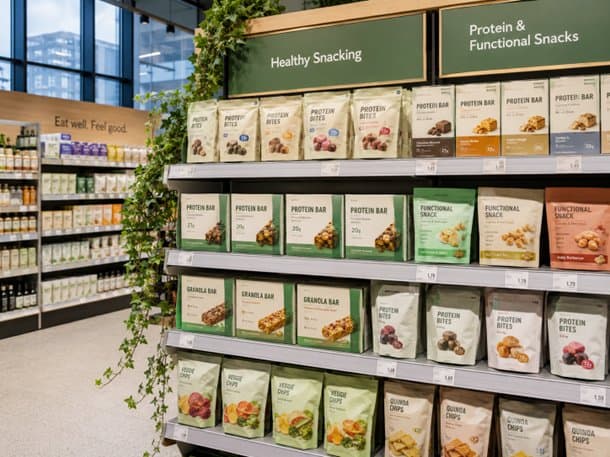
Figure 2. Functional food works best when nutrition claims, taste and packaging all point in the same retail direction.

What Is Private Label Functional Food?

Private label functional food means a third-party manufacturer produces food products for your business, and you sell them under your own brand. The “functional” part means the product offers more than basic snacking. It may support protein intake, fibre intake, energy, satiety, digestion, recovery, plant-based nutrition or another clear wellness position.

This can include private label foods such as protein bars, protein bites, functional snack packs, granola clusters, drink powders, collagen-style beverages, fortified mixes, and private label food supplements. In retail language, this is not only about making food. It is about creating a product shoppers can understand in three seconds.

Three seconds sounds dramatic, but that is often how retail works. The customer looks at the shelf, judges the pack, reads one claim, and either picks it up or walks away like it just received a bad performance review.

Private Label TermPlain-English MeaningRetail Example
Private label functional foodA functional food product made by a manufacturer and sold under your brandProtein bites under a supermarket wellness brand
Private label foodsAny food made for a retailer or brand to sell as its ownSnack bars, granola, chips, drink mixes
Private label food supplementsSupplement-style products sold under your brandPowder blends, vitamin gummies, functional drink sachets
Food private label manufacturersFactories or production partners that make food for other brandsA European snack manufacturer producing retail-ready bars
Custom snacksSnacks developed around your flavor, pack, claim or customer segmentHigh-protein vegan snack for gyms and convenience retail


Why Retailers Are Paying Attention

Private label used to have a reputation problem. It was the cheaper cousin of the famous brand. It sat quietly on the shelf, wearing plain packaging and hoping nobody asked difficult questions.

That version is fading. Modern private label is now a serious retail strategy. Retailers use own-brand products to improve margin, create differentiation, increase loyalty and offer shoppers something they cannot easily compare with every competitor online.

For functional food, the opportunity is even more specific. Shoppers want convenient food that feels aligned with their lifestyle: higher protein, less sugar, plant-based ingredients, clean labels, fibre, better snacks for children, and healthier options for work, gym, travel and school lunch boxes.

Retail DriverWhy It MattersWhat to Build
Margin pressureRetailers need products that can protect profit without depending only on national brands.Own-brand protein bars, bites and functional snacks
Health-conscious shoppersCustomers are checking ingredients and looking for products with a clear purpose.High-protein, vegan, gluten-free or clean-label snacks
Convenience demandBusy customers want portable nutrition, not a cooking project.Single-serve bars, snack packs, resealable pouches
Category differentiationPrivate label products help a store stand out from competitors.Exclusive flavors and custom snack formats
European compliance needsRetail-ready products need labels, barcodes and certification support.EU-compliant, shelf-ready supply


Private Label Functional Food vs White Label: The Retail Difference

Private label and white label are often used like twins. They are related, but they are not identical. White label usually means taking an existing product and putting your brand on it. Private label can go deeper: product concept, formulation, packaging, flavor, claims and positioning can be shaped around your retail strategy.

If you are testing a new retail category quickly, white label can be useful. If you want a stronger brand asset, private label is usually more interesting. It gives you more control over how the product looks, tastes and sits beside competing products on the shelf.

FeatureWhite LabelPrivate Label
SpeedUsually fastestFast when ready-made recipes exist; longer for custom development
CustomizationLimitedModerate to high
Brand differentiationLowerHigher
Best forTesting a category quicklyBuilding a retail product range
Retail riskMay look similar to other brandsNeeds stronger planning but creates more control


Figure 3. A strong private label functional food project starts with the product brief, not the factory invoice.

Product Categories That Make Sense for Retail

Not every functional food idea belongs on a retail shelf. Some ideas sound exciting in a meeting and then behave very awkwardly in real life. Like a snack that needs a 12-minute explanation. Snacks should not need a TED Talk.

The best retail-ready categories are simple to understand, easy to stock, and connected to a clear customer moment.

CategoryBest Retail UseWhy It Works
Protein barsGyms, convenience stores, supermarkets, online bundlesFamiliar format, easy to display, strong search demand
Protein bitesCheckout counters, health shops, cafés, officesSmall portion, strong taste appeal, less commitment than a full bar
Functional snacksRetail wellness aisles, travel, workplace snackingCan carry benefits like high protein, fibre or plant-based positioning
Private label food supplementsWellness brands, pharmacies, specialty retailWorks when compliance, claims and formulation are handled properly
Healthy kid snacksFamily retail, school-friendly ranges, cafésParents want convenient options that feel better than ordinary sweets
Custom snacksRetailers and distributors wanting exclusivityCreates differentiation through flavor, format or packaging


Relevant internal route: SwedeVital Retail & Wholesale supports retail buyers looking for shelf-ready protein bites, functional snacks and certified products for distribution.

How to Choose Food Private Label Manufacturers

Choosing a manufacturer is not the glamorous part. Nobody frames a “manufacturer checklist” and hangs it on the office wall. But it is the part that can save the launch.

A good private label partner should understand ingredients, packaging, compliance, sampling, quality control, shelf life, logistics and repeat supply. A weak partner may give you unclear pricing, unclear timelines and samples that taste different from the final batch. That is not a launch plan. That is suspense fiction.

Checklist ItemQuestion to AskWhy It Matters
Product-category experienceHave you produced similar functional snacks or food supplements before?Experience reduces mistakes in taste, texture and production scale.
CertificationsDo you have ISO 22000, BRCGS, HACCP, GMP, organic, vegan or gluten-free options?Retail buyers often require documented quality and safety standards.
MOQ and scaleWhat is the minimum order quantity and how does pricing change with volume?Small test orders help market entry; scale pricing helps growth.
Packaging supportCan you support retail-ready packs, barcodes, cartons and multilingual labels?Packaging must work for retail shelves, logistics and compliance.
Sampling processCan we approve taste, texture, nutrition and packaging before production?Sampling protects the brand before full investment.
Supply reliabilityWhat are lead times and reorder timelines?Retailers need consistency, not calendar roulette.


SwedeVital angle: SwedeVital presents European production, certified partners, retail-ready packaging and reliable supply as core strengths. Its private label page also outlines a six-step process from discovery and formula selection to sampling, packaging compliance, production and delivery. Explore SwedeVital Private Label

Figure 4. Retail success depends on repeatable supply, clear cartons, compliant labels and products that are ready to move.

Retail Packaging: Where the Sale Quietly Happens

Packaging is not decoration. Packaging is the salesperson that never sleeps, never asks for commission and never complains about Monday.

For private label functional food, packaging needs to answer the shopper’s questions quickly. What is it? Why should I care? Is it tasty? Is it healthy enough for me? Can I trust it? Does the price feel fair?

Packaging ElementWhat It Should CommunicateRetail Risk If Weak
Front-of-pack claimHigh protein, plant-based, high fibre, no added sugar or other clear benefitCustomer does not understand the product fast enough
Visual product cueWhat the snack looks/tastes likePack feels cold, generic or confusing
Ingredient promiseClean label, vegan, gluten-free, whole food, or allergen clarity where applicableTrust drops
Barcode and labelingEAN, nutrition panel, allergen information, language complianceRetail onboarding slows down
Case/carton setupEasy stocking, storage and replenishmentWarehouse and store teams dislike the product before customers even see it


This is where private label food producers and food snacks manufacturers should not only ask what goes inside the product, but how the product behaves in the real world: shelf, warehouse, delivery van, stockroom, checkout counter and customer hand.

The Retail Buyer’s Product Brief

Before contacting private label manufacturers, write a simple product brief. It does not need to be a novel. In fact, please do not write a novel. Nobody in production wants Chapter 4: The Emotional Journey of Almond Butter.

A practical product brief should include:

  • Target customer: gym user, parent, office worker, health shopper, café buyer or distributor.
  • Product format: bar, bite, chip, pouch, drink mix, supplement-style sachet or snack box.
  • Nutrition goal: high protein, high fibre, low sugar, plant-based, gluten-free or clean-label.
  • Flavor direction: safe bestseller, premium indulgent, local flavor or seasonal launch.
  • Retail channel: supermarket, convenience, gym, hotel, café, online marketplace or distributor.
  • Required certifications: ISO, BRCGS, organic, vegan, halal, kosher, gluten-free or GMP.
  • Commercial needs: MOQ, target landed cost, shelf life, lead time, delivery terms and reorder plan.

Where “Custom Snacks” Can Win

Custom snacks can be powerful when they are not custom just for the sake of being custom. A strange flavor is not automatically innovation. Sometimes it is just a meeting that went too far.

The best custom snacks solve a retail problem. They give a retailer something exclusive, give a distributor a stronger sales story, or give a wellness brand a product that fits its audience better than a standard catalogue item.

Custom Snack IdeaRetail LogicBest Channel
Protein bites with indulgent flavorsFeels like a treat but carries a functional benefitHealth stores, supermarkets, cafés
Plant-based snack packsMatches vegan and flexitarian demandRetail, workplace, online bundles
Healthy kid snacksAppeals to parents looking for better lunchbox optionsFamily retail, school-adjacent channels
Functional chips or crispsCompetes with ordinary salty snacks while adding a better-for-you angleConvenience, hotels, cafés
Country-specific flavorsUseful for country snacks manufacturing or market-localized launchesImporters, distributors, regional retailers


Figure 5. The right retail mix makes functional snacks easier to understand, buy and reorder.

A Quick Note on Search Terms This Article Is Not About

Private label is a big search universe. That is why keywords like private label skincare, european private label skin care manufacturers, private label cosmetics manufacturers Europe, private label shampoo suppliers, private label SEO, private label seo reseller and amazon private label often appear near private label research. Useful? Yes. Relevant to this retail food article? Not directly.

This guide focuses on private label functional food, private label foods, private label food supplements, food private label manufacturers, food snacks manufacturers, custom snacks and retail-ready product supply. The same “own brand” logic exists in skincare or SEO services, but the compliance, production and retail shelf requirements are completely different. Comparing a protein bite to a shampoo bottle is possible, but only if the meeting has gone on too long and someone forgot to bring snacks.

The same caution applies to private label pet food manufacturers and snack machine manufacturers. They may be valid manufacturing searches, but they are different supply chains. For human functional food retail, ingredient declarations, allergen control, shelf life, packaging, food safety and taste are the real priorities.

How SwedeVital Fits Naturally Into the Buyer Journey

A good blog should not suddenly become a sales brochure wearing a fake moustache. The better way is to help readers understand the problem, then show them what a practical partner should provide.

For a retailer or distributor, SwedeVital becomes relevant where the questions become operational: Can I source ready-made products? Can I test low MOQs? Are products shelf-ready? Are labels EU-compliant? Can supply scale across European markets? Can I speak with someone who understands retail rather than only production?

Reader NeedHelpful SwedeVital PageSuggested Anchor Text
Stock ready-made products for retailRetail & Wholesaleretail-ready protein snacks
Launch a branded snack rangePrivate Labelprivate label protein snacks
Learn from existing articlesBlogSwedeVital insights
Understand the company positioningHomeB2B protein snack supplier in Europe
Request next stepsBook a Callspeak with the SwedeVital team


Suggested soft CTA: If you are comparing private label food producers or looking for shelf-ready functional snacks for retail, start with a clear product brief. Then review partners that can support compliance, packaging, samples, MOQs and repeat supply. For European retail and distribution, SwedeVital’s retail pathway is a natural next page to explore.

Common Mistakes to Avoid

  • Choosing the cheapest manufacturer before checking quality, certifications and shelf-life realities.
  • Launching too many flavors before identifying the one or two likely bestsellers.
  • Ignoring packaging until the end, then discovering the product looks invisible on the shelf.
  • Using claims that sound great in marketing but are weak or risky from a compliance perspective.
  • Treating the first order as the whole strategy instead of planning samples, trial launch, reorder and scale.
  • Forgetting the actual buyer. A gym snack, a kid snack and a premium wellness snack are not the same product wearing different shoes.

Final Thoughts

Private label functional food is one of the more practical retail opportunities because it sits at the meeting point of customer demand, brand control and better margins.

But it only works when the product is clear. Clear customer. Clear benefit. Clear packaging. Clear compliance. Clear supply. Clear reason to buy again.

The snack must taste good too. That part is not optional. A “functional” snack that nobody wants to eat is not a product. It is a small rectangular apology.

For retailers, distributors and wellness brands, the winning path is simple: choose a strong category, build a focused product brief, check manufacturing credentials, test samples properly, and work with a partner that understands retail shelves as much as production lines.

That is how private label foods move from idea to shelf without turning the launch into a group chat full of panic messages.

FAQ: Private Label Functional Food for Retail

What is private label functional food?

Private label functional food is a food product made by a third-party manufacturer and sold under your brand, with added functional benefits such as protein, fibre, plant-based nutrition, vitamins, minerals or better-for-you positioning.

Is private label food profitable for retailers?

It can be profitable when the product has clear demand, strong packaging, realistic MOQs, good margins and reliable repeat supply. The key is not just owning the label, but choosing a product customers actually want to buy again.

What is the difference between private label food and white label food?

White label food usually means rebranding a standard product with limited customization. Private label food can include more control over formulation, packaging, flavor, claims and brand positioning.

What products can private label food producers make?

Depending on their capabilities, private label food producers may make protein bars, protein bites, functional snacks, drink powders, food supplements, granola, chips, healthy kid snacks, snack packs and custom snacks.

How do I choose food private label manufacturers?

Check product-category experience, certifications, MOQ, sampling process, packaging support, EU or market-specific compliance, shelf life, lead time and ability to support repeat orders.

Are private label food supplements different from functional foods?

Yes. Food supplements may follow supplement-specific rules depending on the market and format, while functional foods are usually positioned as foods with added benefits. Labeling, claims and compliance should be checked carefully.

What is a good MOQ for private label snacks?

There is no universal MOQ. It depends on product format, packaging, ingredients and manufacturer. For retail testing, lower MOQs are useful, but pricing usually improves as volume increases.

Can retailers launch custom snacks without owning a factory?

Yes. That is the purpose of private label and contract manufacturing. The retailer or brand owns the customer relationship and brand, while the manufacturer handles production and sometimes packaging, compliance and delivery support.

What should be included in a private label snack product brief?

Include target customer, product format, nutrition goal, flavor direction, certifications, retail channel, packaging needs, target cost, MOQ, shelf life and launch timeline.

Where should retail buyers start with SwedeVital?

Retail buyers can start with SwedeVital’s Retail & Wholesale page for shelf-ready products or the Private Label page for brand-owned snack launches.