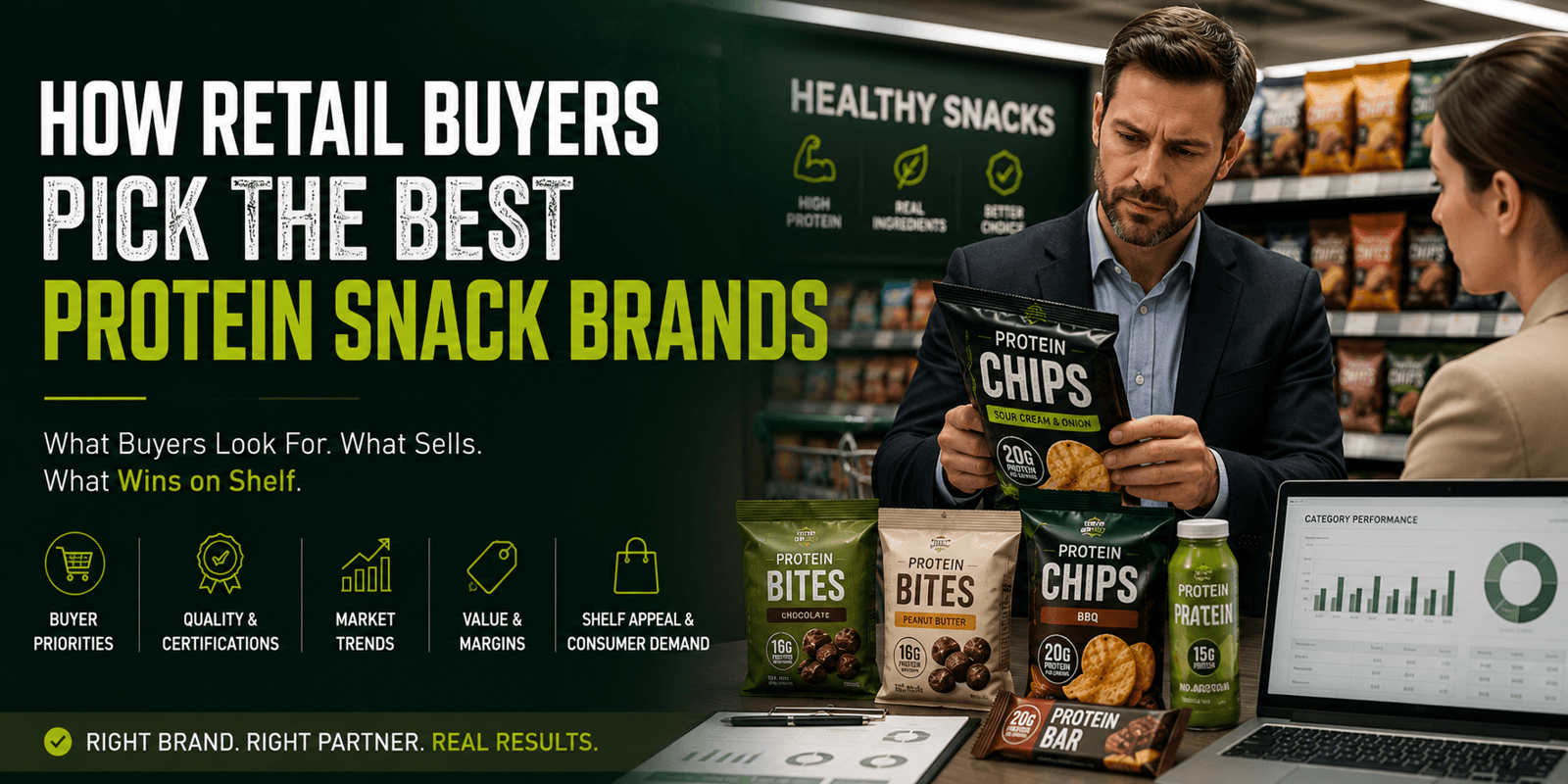
How Retail Buyers Pick the Best Protein Snack Brands

SwedeVital Authority Engine™
SwedeVital
In short
Retail buyers select protein snack brands by assessing nutrition transparency, product variety, appealing packaging, reliable European production, competitive pricing, multi‑certifications, and robust marketing support.
- Retail buyers choose protein snack brands based on nutrition clarity, variety, packaging appeal, supply chain reliability, pricing, certifications, and marketing collaboration.
Retail Buyers’ Decision Blueprint for Protein Snack Brands
When a grocery chain or health‑store manager faces dozens of protein snack options, the choice is rarely about taste alone. It hinges on a structured evaluation that balances nutrition, shelf‑life, cost, and consumer trends. Below is a step‑by‑step framework retail buyers can apply to sift through the market and lock in the best protein snack brands for their shelves.
1. Define the Target Consumer Profile
- Demographics: Age range, income level, fitness habits.
- Behavioral drivers: Convenience, health consciousness, flavor adventurousness.
- Purchase triggers: Seasonal promotions, in‑store sampling, online reviews.
Example: A mid‑town urban supermarket serving a 25–35 year‑old fitness crowd will prioritize high‑protein, low‑sugar options that can be consumed on the go.
2. Set Nutritional Benchmarks
- Protein content: Minimum 10 g per serving for a “protein snack” label.
- Fiber & sugar limits: At least 3 g fiber and ≤5 g added sugars to align with the Best Protein Snacks (2026) review.
- Ingredient transparency: No artificial sweeteners or excessive additives.
SwedeVital’s Protein Bites – Dates & Hazelnuts Coated with Coconut deliver 12 g protein, 4 g fiber, and only 3 g added sugar per 150 g pack, meeting these criteria.
3. Evaluate Shelf‑Life and Packaging Integrity
- Check for moisture control—protein snacks often contain nuts or dried fruit that can spoil if not sealed properly.
- Assess packaging size: 50 g chips vs 150 g bites; smaller packs may drive impulse buys but increase unit cost.
- Verify compliance with EU food safety regulations (e.g., HACCP, ISO 22000).
The Lentil Chips – Smoked Beef variant uses a 50 g pouch that maintains crispness for up to six months when stored at room temperature.
4. Analyze Market Positioning and Brand Equity
- Brand recognition: Look for names that appear in top‑ranked lists, such as Pure Protein Cheddar Cheesy Crackers or Quest Nutrition.
- Consumer sentiment: Use review scores and social media buzz; a 4.3‑star rating on ProteinWise indicates strong acceptance.
- Price elasticity: Compare unit price to competitors—SwedeVital’s 150 g bites retail at $2.50, competitive with similar protein bars.
5. Conduct a Cost‑Benefit Analysis
Calculate the cost per gram of protein and factor in logistics (weight, volume). A higher upfront price may be justified if the product’s shelf‑life reduces shrinkage.
| Product | Price | Protein/Gram |
|---|---|---|
| SwedeVital Protein Bites – Dates & Hazelnuts | $2.50 | 0.08 g/g |
| Pure Protein Cheddar Crackers | $3.00 | 0.07 g/g |
The SwedeVital option offers a better protein‑to‑cost ratio.
6. Pilot and Gather In‑Store Feedback
- Run a limited launch in select stores.
- Track sales velocity, return rates, and customer comments.
- Use point‑of‑sale data to refine assortment—perhaps replace the Sour Cream & Onion chip if it underperforms.
7. Scale with ConfidenceFrequently asked questions
What is the most important factor for retail buyers when choosing protein snack brands?+
Nutrition transparency and clear health claims are top priorities, as they drive consumer trust and repeat purchases.
How does packaging design influence buying decisions?+
Eye‑catching colors, clear nutrition icons, and sustainable materials can boost impulse buys; 68% of shoppers choose based on packaging alone.
Why is European production a key consideration?+
It ensures compliance with EU food safety standards, consistent quality, and reliable lead times, reducing stockouts for retailers.
What role do certifications play in brand selection?+
Certifications like vegan, halal, kosher, and organic expand shelf opportunities across niche markets and meet regulatory requirements.
How can private‑label programs benefit retailers?+
They allow higher markups and brand control while maintaining quality, potentially increasing gross margins by up to 20%.
Wholesale catalogue · FreeSee the full SwedeVital range
Every line, every format, and what it takes to stock them — sent to you now, before we open for orders on 1 January 2027.
Written by
SwedeVital Authority Engine™
Last updated
2 August 2026
Frequently asked questions
What is the most important factor for retail buyers when choosing protein snack brands?+
Nutrition transparency and clear health claims are top priorities, as they drive consumer trust and repeat purchases.
How does packaging design influence buying decisions?+
Eye‑catching colors, clear nutrition icons, and sustainable materials can boost impulse buys; 68% of shoppers choose based on packaging alone.
Why is European production a key consideration?+
It ensures compliance with EU food safety standards, consistent quality, and reliable lead times, reducing stockouts for retailers.
What role do certifications play in brand selection?+
Certifications like vegan, halal, kosher, and organic expand shelf opportunities across niche markets and meet regulatory requirements.
How can private‑label programs benefit retailers?+
They allow higher markups and brand control while maintaining quality, potentially increasing gross margins by up to 20%.
See the full SwedeVital range
Every line, every format, and what it takes to stock them — sent to you now, before we open for orders on 1 January 2027.
Written by
SwedeVital Authority Engine™
Last updated
2 August 2026