EU Supplement Regulations 2026: Critical Compliance for Importers
5 July 2026·7 min read

EU Supplement Regulations 2026: Critical Compliance for Importers

SA

SwedeVital Authority Engine™

SwedeVital

In short

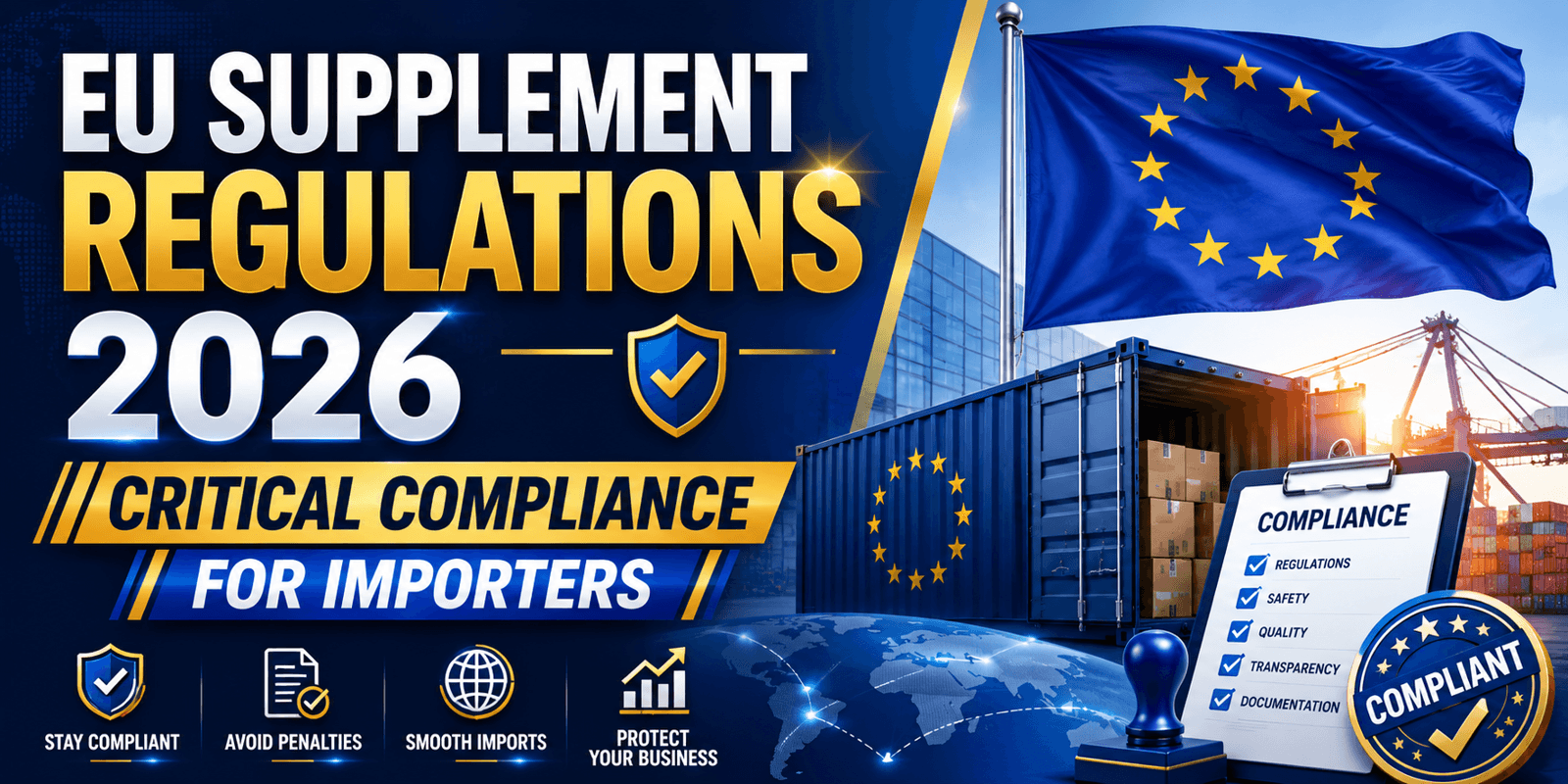
Under new EU supplement regulations for importers in 2026, companies must appoint a local Food Business Operator (FBO) within the EU-27. This entity assumes legal responsibility for product compliance, handling notifications and adverse event reporting. Without an FBO, shipments face border holds, making this structural adjustment critical for market access.

  • Importers must appoint a local EU-27 Food Business Operator to handle regulatory liability and avoid customs delays under the 2026 regulations.

EU Supplement Regulations 2026: Critical Compliance for Importers

  As we approach 2026, the regulatory environment for dietary supplements in the European Union is undergoing significant shifts that directly impact how importers and retailers source, stock, and sell wellness products. For businesses looking to expand their health and wellness offerings, understanding these changes is no longer optional—it is a critical component of supply chain resilience. The demand for high-quality functional foods and supplements continues to surge, with the protein and amino acids segment in Europe expected to grow at a CAGR of 12.6% from 2026 to 2033 (Grand View Research). However, this growth is accompanied by stricter compliance requirements that demand vigilance from every link in the supply chain. For eu supplement regulations importers, the primary challenge lies in navigating the complex web of food safety standards, labeling laws, and veterinary certifications. The European market does not tolerate ambiguity when it comes to consumer health. Importers must ensure that every product, from marine collagen to probiotic blends, meets the rigorous standards set by EU authorities. This guide outlines the essential steps importers must take to remain compliant, avoid costly delays at customs, and build trust with retailers who are increasingly selective about their suppliers. The transition to a more regulated market also presents an opportunity for those who adapt quickly. Retailers are looking for partners who can provide not just products, but peace of mind through documentation and compliance. By understanding the nuances of these regulations, importers can position themselves as reliable gateways for premium European and international wellness brands. This involves moving beyond simple logistics to become strategic advisors on regulatory compliance, ensuring that the path from factory floor to retail shelf is clear and legally sound.

The Critical Role of Food Business Operators (FBOs) in Post-Brexit Europe

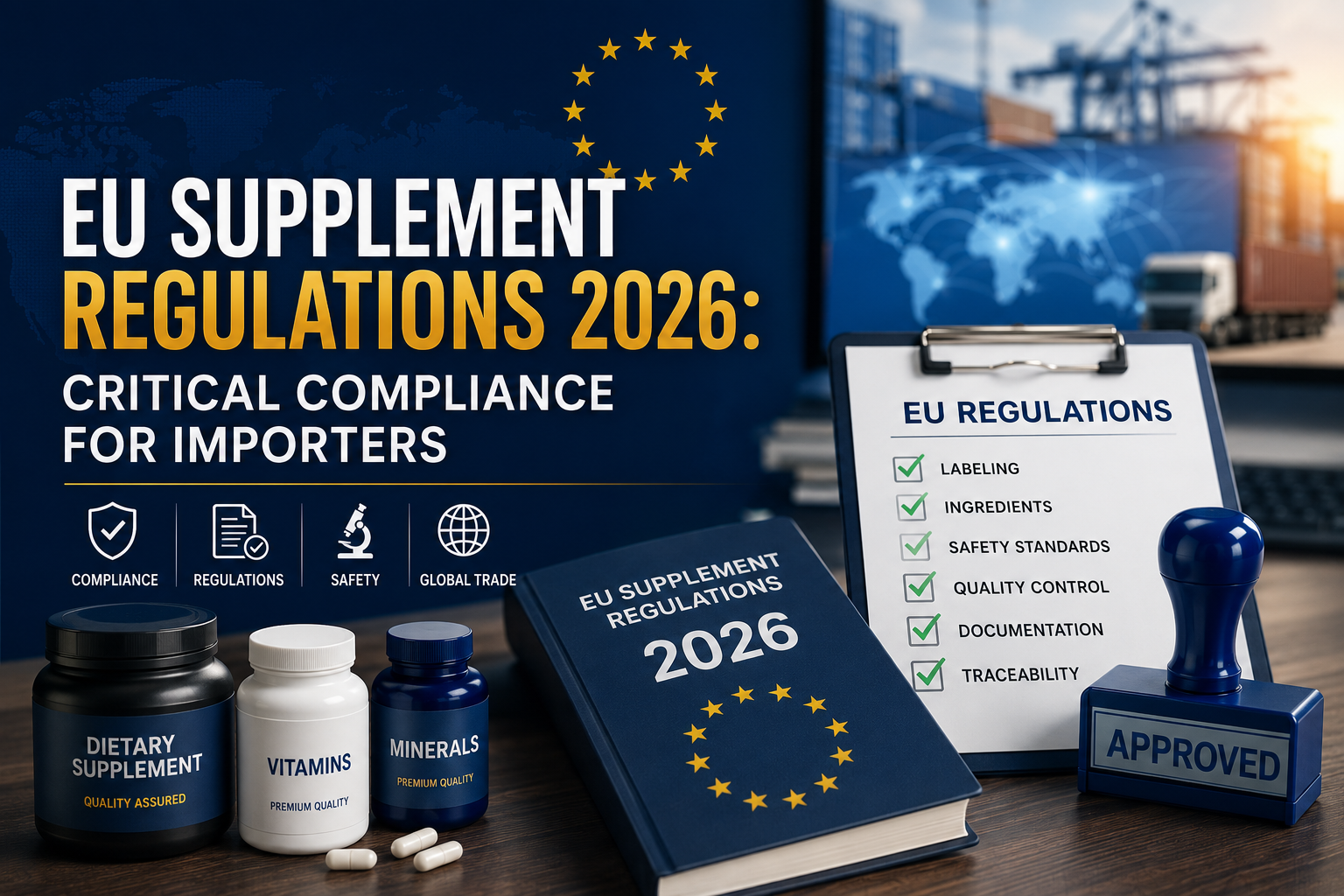
One of the most significant changes affecting importers is the requirement for a local Food Business Operator (FBO) within the EU-27. Since the UK’s departure from the European Union, companies with only a UK address can no longer place themselves on the register of food establishments in the same way they did previously. British companies wishing to market or import their food supplements into Europe are now obliged to appoint an FBO based in the EU-27 (Ecomundo). This rule applies equally to non-EU exporters who must have a local representative to handle regulatory communications and liability. For importers, this means that the traditional model of direct sourcing from overseas manufacturers requires a structural adjustment. You cannot simply buy from a factory in Asia or North America and ship directly without ensuring there is an established FBO within the EU who takes legal responsibility for the product’s compliance. This FBO acts as the bridge between the international supplier and EU authorities, handling notifications, adverse event reporting, and regulatory updates. Without this local anchor, shipments can be held at borders, leading to significant financial losses and damaged relationships with retail partners. This requirement underscores the importance of choosing the right import partners. Importers must verify that their suppliers have established FBOs in the EU or are willing to work with one on their behalf. It also highlights the value of working with established European distributors who already have these structures in place. For retailers, this adds a layer of security; knowing that an EU-based entity is accountable for the product’s safety and labeling compliance reduces risk and simplifies audits.

Manufacturing Standards and Animal-Origin Guidelines

The manufacturing process for food supplements containing products of animal origin is subject to particularly strict guidelines in the EU. The Food Supplements Europe (FSE) has published comprehensive guidelines relating to the manufacturing and imports of these products, with a particular focus on ingredients like Vitamin D3 derived from animal sources (Food Supplements Europe). These guidelines are designed to help food business operators understand the new environment and ensure that every step of production meets EU hygiene and safety standards. Importers must pay close attention to the source of their ingredients. For example, Marine Collagen Powder, a popular ingredient in modern wellness routines, must come from facilities that adhere to strict veterinary inspection protocols. The origin of the marine life, the processing methods, and the final purity of the collagen are all subject to scrutiny. Similarly, supplements containing animal-derived vitamins or gelatin capsules require detailed documentation proving that the raw materials were sourced from approved establishments. Retailers stocking these products must be able to trace every ingredient back to its source. This traceability is not just a regulatory requirement but a marketing asset. Consumers are increasingly interested in the provenance of their supplements, knowing that they meet high ethical and safety standards. By prioritizing suppliers who provide transparent manufacturing data, importers can help retailers build a shelf that feels authentic and trustworthy. This attention to detail is what separates compliant, sustainable businesses from those that risk regulatory action.

Documentation and Veterinary Certification for Imports

Importing food supplements into the EU involves a complex documentation process that goes far beyond standard commercial invoices. Exporters are advised to verify with their importers if EU rules on veterinary inspection and certification apply to their specific products (USDA GAIN Report). For products containing animal-derived ingredients, a veterinary health certificate is often mandatory. This document certifies that the product is safe for human consumption and meets the health standards of the importing country. The complexity of these requirements means that importers must work closely with their suppliers to ensure all paperwork is accurate and complete before shipment. Any discrepancy in the veterinary certificates or ingredient lists can lead to delays at customs, where products may be inspected, tested, or even destroyed if they fail to meet standards. This is particularly relevant for supplements like Omega-3 Fish Oil, which requires rigorous testing for heavy metals and contaminants to ensure it meets EU safety limits. Retailers should also be aware of the documentation requirements for their own records. Keeping detailed import logs and certificates is essential for passing audits by national food safety authorities. This level of diligence protects the retailer from liability and ensures that the supply chain remains uninterrupted. By treating documentation as a critical part of the product, rather than an afterthought, importers can streamline the flow of goods and maintain strong relationships with retail buyers who value reliability.

Building a Compliant and High-Growth Supplement Shelf

For retailers, the key to success in 2026 lies in building a supplement range that is both compliant and aligned with consumer trends. The European dietary supplements market is evolving, with consumers seeking functional benefits beyond basic nutrition. This includes a growing interest in protein and amino acids, as well as specialized wellness products like probiotics and adaptogens. Retailers who understand these trends can curate a shelf that appeals to health-conscious consumers while meeting all regulatory requirements. One effective strategy is to partner with suppliers who offer retail-ready solutions. For instance, private-label options allow retailers to create their own brand lines using European production standards, ensuring compliance from the ground up. This approach not only mitigates regulatory risk but also allows retailers to differentiate themselves in a crowded market. By focusing on quality and compliance, retailers can build a reputation for trustworthiness that drives customer loyalty. Additionally, retailers should consider the broader context of their wellness offerings. Integrating supplements with other health-focused products, such as protein snacks or functional foods, can create a comprehensive wellness destination within the store. This holistic approach resonates with modern consumers who view health as an integrated lifestyle rather than a series of isolated purchases. By staying informed about regulatory changes and consumer preferences, retailers can position their stores as leaders in the European wellness market.

Strategic Sourcing for Long-Term Compliance and Growth

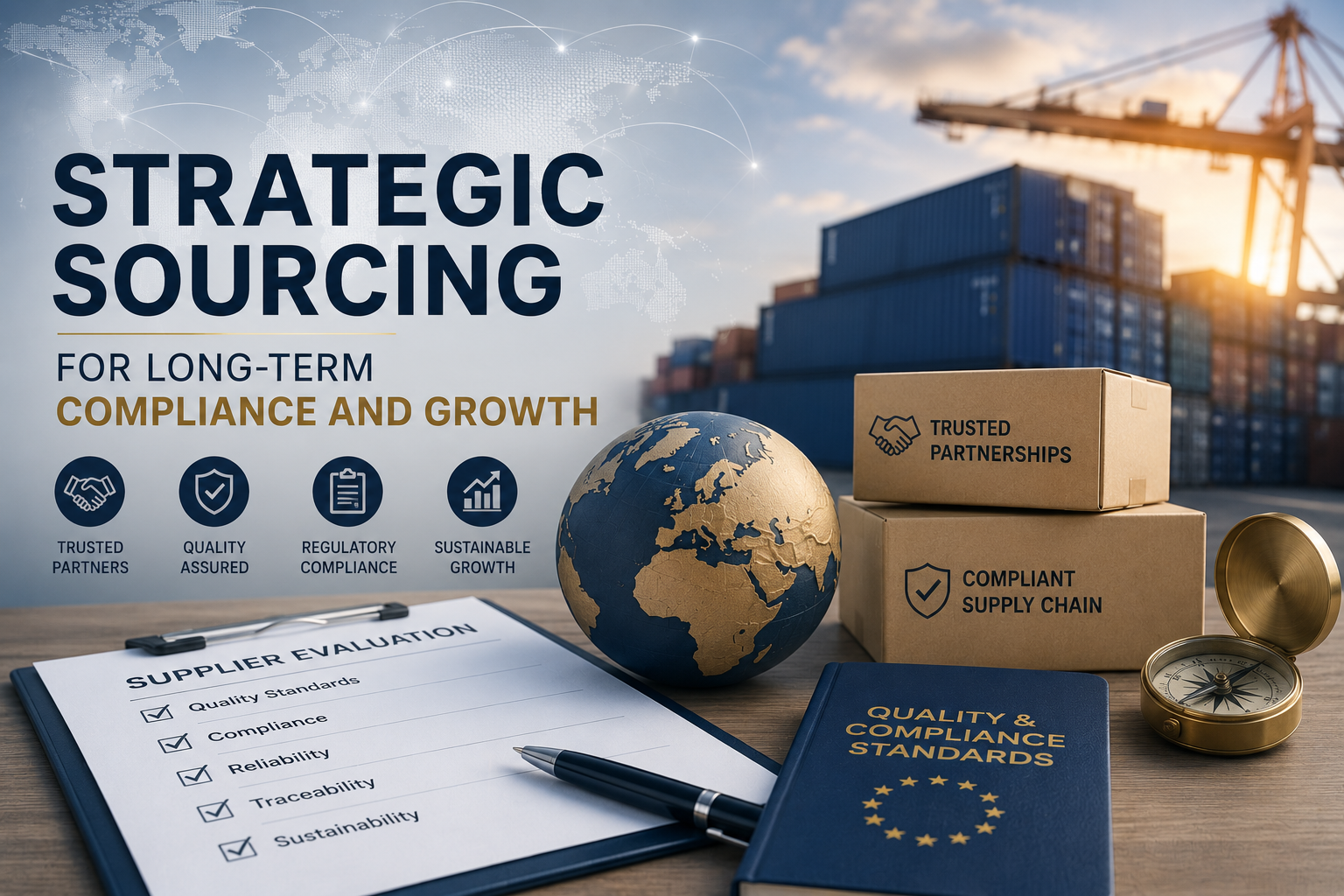
  As we look toward 2026, the importance of strategic sourcing cannot be overstated. Importers and retailers must view compliance not as a hurdle, but as a competitive advantage. By prioritizing suppliers who demonstrate a deep understanding of EU regulations, businesses can ensure a stable and efficient supply chain. This includes working with partners who provide comprehensive support, from regulatory advice to logistics management. For those looking to expand their product lines, exploring diverse categories such as protein snacks and functional foods can offer new opportunities for growth. These products often have simpler regulatory pathways compared to complex supplements, making them an attractive entry point for retailers new to the wellness sector. However, even these products must adhere to strict labeling and ingredient standards, so due diligence remains essential. Ultimately, the goal is to build a sustainable business model that prioritizes consumer safety and satisfaction. By staying ahead of regulatory changes and fostering strong relationships with compliant suppliers, importers and retailers can thrive in the dynamic European market. The future of wellness retail belongs to those who combine innovation with integrity, ensuring that every product on the shelf meets the highest standards of quality and compliance.

Frequently asked questions

Why is a local Food Business Operator (FBO) required for EU supplement imports in 2026?+

Since Brexit, companies without an EU address can no longer register directly. An FBO within the EU-27 is mandatory to assume legal responsibility for product compliance, handle regulatory communications, and manage adverse event reporting.

What happens if an importer does not have an FBO in the EU?+

Shipments may be held at borders due to non-compliance with registration requirements. This leads to significant financial losses, supply chain disruptions, and damaged relationships with retail partners who require verified compliance documentation.

Does the FBO requirement apply to non-EU exporters as well?+

Yes, the rule applies equally to non-EU exporters. They must have a local representative within the EU-27 to act as the bridge between international suppliers and EU authorities for regulatory oversight.

How do these regulations impact the relationship between importers and retailers?+

Retailers are increasingly selective, requiring partners who provide 'peace of mind' through robust documentation. Importers must demonstrate they are strategic advisors on compliance, not just logistics providers, to maintain trust and market access.

Pre-launch · Opening 1 January 2027

Be first to stock SwedeVital

Join the waiting list for priority partner onboarding, the full catalogue and launch pricing — before anyone else.

No spam. Just first access.

Written by

SwedeVital Authority Engine™

Last updated

5 July 2026