Beyond the Vitamin Aisle: How Retail Buyers Can Build a Health Supplement Shelf People Trust
15 June 2026·15 min read

Beyond the Vitamin Aisle: How Retail Buyers Can Build a Health Supplement Shelf People Trust

AA

Aftab Ahmed

SwedeVital

Direct answer

Health supplement packaging works best for retail when the product has a clear wellness purpose, safe and compliant labeling, practical formats, reliable supply, and category logic that shoppers can understand in three seconds. For retailers, the strongest health supplement shelf usually combines familiar needs such as gut health, immunity, joint and bone support, cellular health, vein health, lung health, urinary wellness, and pet health with clean packaging, sensible claims, and a supplier that can support repeat orders without turning every reorder into a tiny circus with invoices.

For brands comparing white label health supplements, private label wellness products, or retail-ready health products, the win is not simply launching more bottles. The win is helping customers choose confidently. That means less “What does this even do?” and more “That fits my need.” Small difference. Big shelf energy.

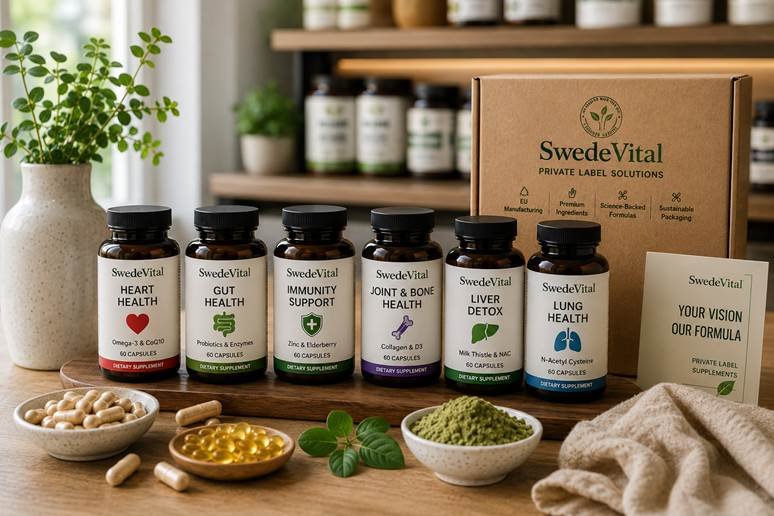
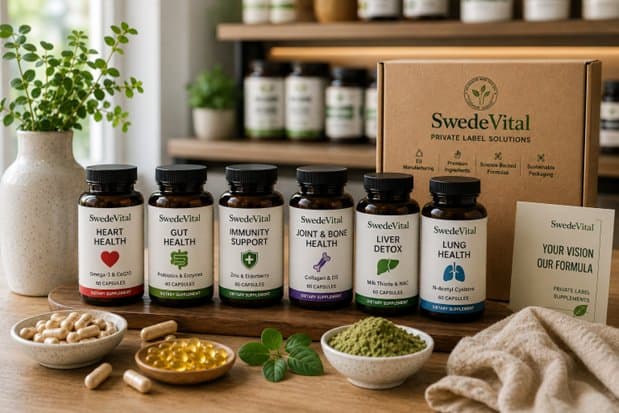
Figure 1. A targeted health supplement shelf works best when categories, formats, and packaging communicate trust quickly.

What the top-ranking pages usually cover

Current guide-style pages around private label supplements, white label supplement manufacturing, and supplement packaging tend to follow a practical buyer-guide format. They explain what private/white label means, compare product formats, discuss ingredients and testing, mention certifications, explain packaging options, and end with a supplier-selection checklist. The average format is not a fluffy trend piece. It is closer to a guide/listicle hybrid because buyers are usually trying to reduce risk before asking for samples.

Topic competitors coverWhy it mattersWhat this blog adds
Private vs white labelBuyers want to understand speed, control, and cost.Adds retail shelf logic instead of only manufacturer language.
Ingredient and testing basicsTrust depends on formulas that make sense and can be documented.Adds category mapping for gut, vein, lung, cellular, pet, and joint needs.
Packaging formatsShelf life, compliance, shipping, and shelf appeal are all affected.Adds packaging-by-channel thinking for stores, gyms, clinics, and e-commerce.
Supplier checklistA bad supplier turns a simple launch into spreadsheet cardio.Adds SwedeVital-fit points for retail-ready and private label planning.

The supplement shelf has changed

A few years ago, a wellness shelf could survive on the usual suspects: multivitamins, fish oil, maybe a probiotic sitting there like it paid rent. Now the shelf has to work harder. Shoppers are walking in with specific problems in mind. They are searching for lung health supplements, vegan gut health supplements, vein health supplements, best supplements for bloating and gut health, joint and bone health supplements, and even dog heart health supplements because the family dog apparently also has a wellness routine now. Honestly, good for him.

For retailers, that shift creates opportunity. It also creates danger. When every product claims to support everything, the shelf becomes confusing. A focused B2B health and wellness supplier should help buyers simplify the category instead of adding more noise. SwedeVital’s broader positioning around European production, certified manufacturing, retail-ready supply, and private label support fits that buyer problem because supplement retail is not only about having products. It is about having products customers can understand, trust, and buy again.

The smarter way is to build the supplement shelf around “need states.” Not trendy words. Real buying moments. Digestion. Immunity. Energy. Mobility. Recovery. Pet wellness. Packaging that feels safe. Ingredients that do not require a PhD and a chair massage to decode.

1. Build the shelf by wellness need, not random product type

The first mistake many buyers make is organizing supplements only by format: capsules here, powders there, gummies somewhere else, and pet products hiding in the corner like they missed the meeting. A better approach is to organize by wellness need. A retail-ready wellness range can include different formats, but the customer journey should still feel simple.

Think of the shelf as a map. If a shopper is looking for best supplements for bloating and gut health, they should not have to walk through a small jungle of unrelated products. If a pet parent searches for dog skin health supplement, dog eye health supplements, dog urinary health supplements, liver health supplement for dogs, or cat urinary health supplements, the category should feel intentional, not improvised during a busy Tuesday.

Wellness categorySearch terms it can captureCommon format ideasRetail buyer note
Gut and digestive healthbest supplements for bloating and gut health, vegan gut health supplements, supplements good for colon healthCapsules, powders, sachets, gummiesKeep claims careful and ingredient-led.
Immunity supportimmunity health dietary supplement manufacturer, immunity health supplement manufacturer, immunity health dietary supplement supplierCapsules, chewables, powdersStrong seasonal category for pharmacies and wellness stores.
Cellular and antioxidant supportcellular health supplement, supplements for cellular health, best antioxidant-rich supplements for cellular health 2025Capsules, softgels, powdersPosition around everyday wellness, not miracle language.
Joint, bone, gum, tendon and mobilityjoint and bone health supplements, vegan joint health supplement, supplements for tendon health, gum health supplement, collagen supplements for gum healthCapsules, collagen powders, gummiesUseful for active adults, ageing consumers, and wellness clinics.
Vein, cardiovascular and circulation supportvein health supplements, supplements for vein health, cardiovascular health supplements market, best supplements for vein healthCapsules, tablets, softgelsNeeds especially careful compliance and evidence language.
Lung, liver, urinary, hormonal and niche healthlung health supplements, urinary health supplements, hormonal health supplements, gallbladder health supplements, breast health supplements, uterus health supplementsCapsules, sachets, liquidsNiche categories can work when the customer problem is clear.
Pet health supplementsdog heart health supplements, dog brain health supplements, dog supplements for skin health, dog urinary health supplements, liver health supplements for cats, horse hoof health supplementsChews, powders, oils, sachetsPet buyers want prevention, convenience, and clear dosage guidance.

2. Packaging is not decoration. It is trust in physical form.

Here is a slightly dramatic but true opinion: bad packaging can make a good product look suspicious. Not criminal suspicious. More like “did this label survive a printer argument?” suspicious. Good health supplement packaging has to do several jobs at once. It protects the product, explains the benefit, supports compliance, survives shipping, looks credible, and still has enough shelf appeal to get picked up.

This is where a buyer should think beyond amber bottles. Bottles are useful, yes. But private label supplement support can also include pouches, sachets, stick packs, blisters, refill packs, cartons, jars, and trial-size bundles depending on the product and channel. A pharmacy may prefer clean clinical packaging. A gym may prefer compact performance formats. E-commerce may need stronger unboxing and shipping protection. A wellness clinic may care more about premium presentation and information clarity.

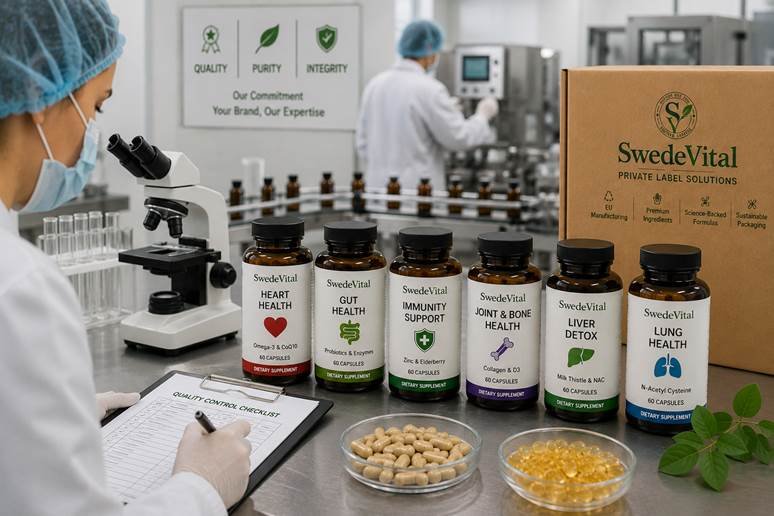
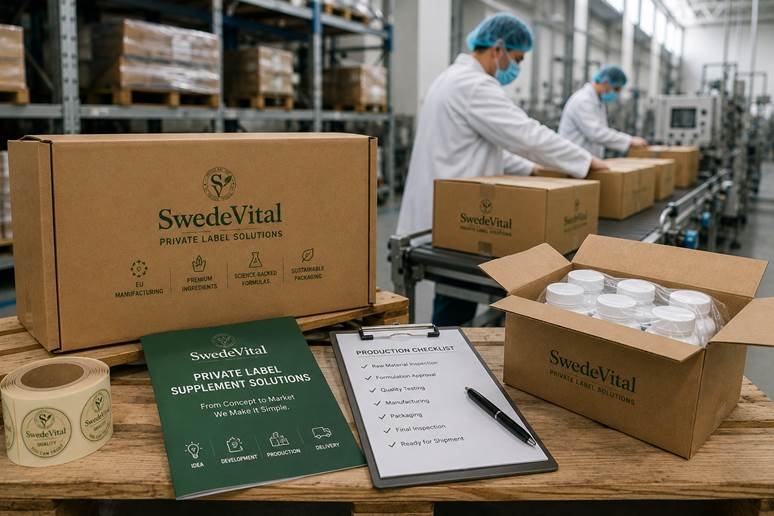
Figure 2. Quality control matters because supplement buyers are really buying confidence, not just capsules.

Packaging formatBest use caseBuyer advantageWatch-out
Amber bottlesCapsules, tablets, softgelsFamiliar and trusted for supplementsCan look generic if label design is weak.
Sachets and stick packsPowders, hydration, collagen, gut blendsGreat for trial, travel, and sample boxesNeeds careful portion control and moisture protection.
Pouches and refill packsVegan gut health supplements, powders, pet chewsModern, lighter, often more sustainableMust still feel premium and compliant.
Gummies and chew packsImmunity, joint, pet, family categoriesEasy to use and attractive to non-pill consumersSugar, stability, and dosing must be managed.
Blister cardsPremium capsules, travel use, controlled portionsStrong for compliance and unit trackingCan increase packaging complexity.

3. White label health supplements can move fast, but private label builds the moat

White label health supplements are often attractive because they can help a brand enter the market quickly. You start with an existing formula, add your branding, review label requirements, and move toward launch. For a retailer testing a new shelf segment, that speed can be helpful. Nobody wants to spend a year developing a product only to discover the customer wanted a simpler gut health sachet all along. Life is already humbling enough.

Private label is usually stronger when the buyer wants more control over positioning, packaging, flavor, format, bundle strategy, or channel fit. A brand exploring custom supplement formulas may want different packaging for a pharmacy than for a gym. A distributor may want multilingual labels. An e-commerce seller may need compact packaging and clear product pages. A pet wellness brand may want chews instead of capsules because dogs are not famous for appreciating elegant pill formats.

The practical route is not always either/or. A buyer can begin with ready-made retail opportunities, learn what sells, and then move into a stronger private label product pathway once demand becomes clearer. SwedeVital’s positioning as a health and wellness supplier gives readers a way to think about both routes without turning the decision into a boardroom debate with too many tabs open.

4. Ingredient credibility matters more than ingredient drama

A supplement shelf does not need to chase every trend. It needs to help shoppers make confident choices. For health optimization supplements, optimal health supplements, holistic health supplements, restore health supplement concepts, and metabolic health supplement bundle 30 days ideas, the product story should be grounded. That means clear ingredients, clear dosage, careful claims, and sourcing that can be explained without sounding like a wizard wrote the label.

For example, gut health products often use probiotics, prebiotics, enzymes, or fibre blends. Joint and bone health supplements may involve collagen, vitamin D3, calcium, or related mobility ingredients. Cellular health supplements often lean into antioxidants and nutrient support. Vein health supplements and cardiovascular wellness products require especially cautious wording because circulation and heart-related claims can quickly move into sensitive territory. When in doubt, compliance first. Marketing can wait outside with its coffee.

For brands comparing B2B health supplement raw materials, the supplier conversation should include ingredient sourcing, documentation, stability, allergen review, label language, and packaging compatibility. This is also where European manufacturing support matters because documentation and quality systems become part of the product story, not just back-office paperwork.

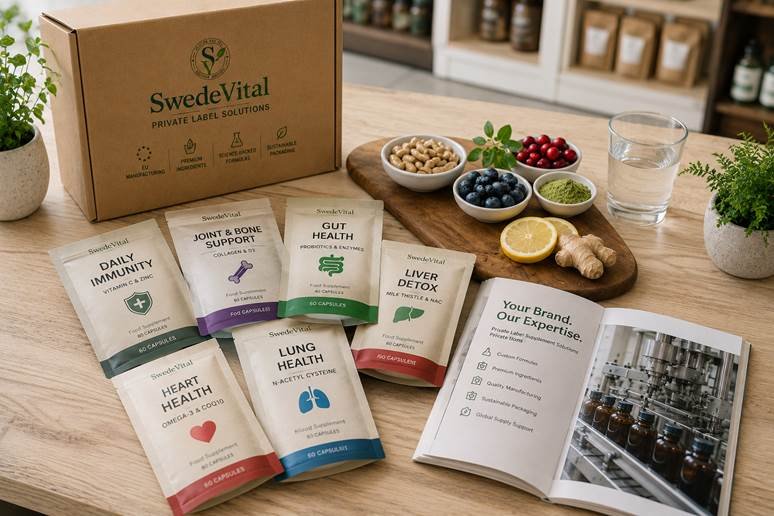
Figure 3. Flexible formats such as pouches, sachets, and sample packs can make supplement testing easier for new brands.

5. Pet supplements deserve their own shelf logic

The keyword file says something important: pet wellness is not a tiny side category anymore. Searches such as dog eye health supplements, dog heart health supplements, dog skin health supplement, dog brain health supplements, dog supplements for heart health, dog supplements for skin health, dog urinary health supplements, cat urinary health supplements, liver health supplements for cats, and horse hoof health supplements all point to a buyer who wants targeted support for animals.

For retailers, pet supplements should not simply copy human supplement packaging. Pet buyers want dosage clarity, species-specific positioning, flavor acceptance, and formats pets can actually take. Chews, powders, oils, and functional treats often make more sense than standard capsules. Try explaining capsule compliance to a Labrador. Actually, do not. He is busy eating a sock.

A wellness brand planning pet health extensions can use the Private Label page to think through category fit, packaging, and positioning, while buyers sourcing shelf-ready wellness products can use the Retail & Wholesale page to understand product-supply pathways. The important point is that pet wellness should feel intentional, not like someone added a paw icon to a human product and called it strategy.

6. Regulation and regional trends should shape the launch plan

Supplement buyers also search globally: Japanese health supplements, Korean health supplements, Japan health supplement regulation news today, and best plant-based bone health supplements for women all show how regional trends and regulatory expectations influence product choices. A product that looks simple on a mood board may become complicated when claims, ingredients, labeling, market access, and language requirements enter the room wearing serious shoes.

This is why a private label manufacturer should support more than production. The buyer needs help with product feasibility, label direction, packaging choice, documentation, and repeat supply. SwedeVital’s Health & Wellness Blog already educates buyers around private label, wholesale, retail-ready products, supplements, and functional snacks, which gives early-stage readers a softer path before asking for a quote.

7. The buyer checklist before launching health supplements

Before launching or sourcing a health supplement range, use this practical checklist. It is not glamorous. It will not win a design award. But it may save a buyer from the exciting experience of discovering after launch that the product is confusing, the packaging is weak, or the claim language is too enthusiastic for reality.

  1. Define the category purpose first: gut, immunity, cellular, vein, joint, lung, liver, urinary, gum, pet, or another clear wellness need.
  2. Confirm the product format: capsules, gummies, sachets, pouches, powders, chews, softgels, or refill packs.
  3. Check ingredient documentation, allergen concerns, stability needs, and suitability for your market.
  4. Review claim language carefully. Health supplement business success is not helped by overpromising.
  5. Choose packaging that protects the product and communicates trust quickly.
  6. Ask about MOQ, sampling, lead time, repeat production, shelf life, and logistics.
  7. Decide whether the product is white label, private label, or custom contract manufacturing.
  8. Map channel fit: pharmacy, e-commerce, retail store, gym, wellness clinic, pet store, or distributor.
  9. Plan content support so the customer understands the product without needing a lecture.
  10. Use SwedeVital’s B2B supplier overview, Retail & Wholesale pathway, Private Label pathway, and blog resources to compare possible next steps.

Figure 4. Retail-ready supplement supply depends on packaging, documentation, repeat production, and clean handoff from production to shelf.

Where SwedeVital fits naturally

SwedeVital fits this discussion because the brand speaks to the exact buyer problem: how to bring wellness products to market through European production, certified manufacturing, retail-ready supply, and private label support. A retailer can start by exploring retail-ready health and wellness products. A founder can review private label support for wellness brands. A distributor can use the SwedeVital homepage to understand the company’s broader supply positioning. And a reader still comparing categories can browse the Health & Wellness Blog before making contact.

The soft next step is simple: educate the buyer first, then help them choose. That is why a supplement article should not scream “buy now” in a tiny wellness megaphone. It should explain category logic, packaging risk, supplier fit, and realistic launch planning. After that, a practical reader can decide whether SwedeVital’s Retail & Wholesale or Private Label route makes more sense.

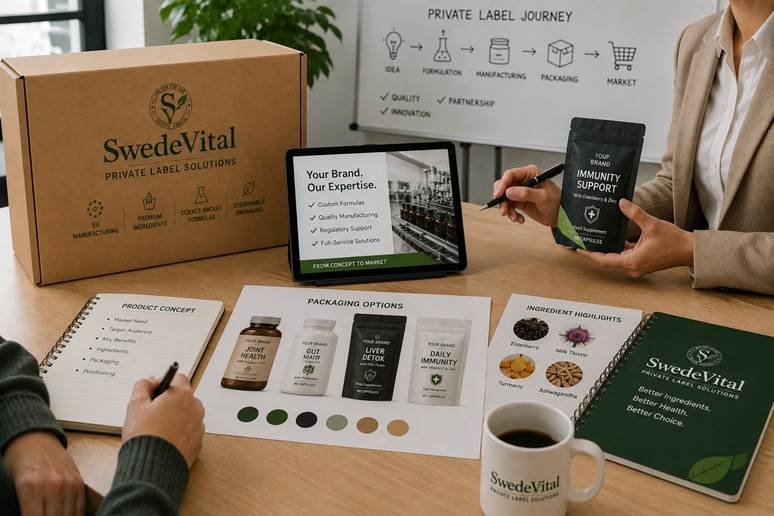
Figure 5. The strongest private label supplement launches connect formulation, packaging, claims, and buyer expectations before production starts.

FAQ

What are health supplements?

Health supplements are products designed to supplement the diet or support specific wellness needs. They can include capsules, tablets, powders, gummies, softgels, sachets, liquids, chews, or other formats. They should not replace medical care or professional health advice.

What is health supplement packaging?

Health supplement packaging is the container, label, and presentation system used to protect the product and explain it to the customer. Good packaging supports safety, shelf appeal, compliance, storage, and brand trust.

Are white label health supplements different from private label health supplements?

Definitions vary by supplier. White label usually means a ready-made formula that can be branded quickly. Private label often gives more room for customization around formula, packaging, positioning, or channel fit.

What supplement categories are popular for retailers?

Common retail categories include gut health, immunity support, joint and bone health, cellular health, vein and cardiovascular wellness, lung health, urinary health, hormonal health, liver support, beauty/gum support, and pet health supplements.

Can pet health supplements be private label?

Yes. Pet health supplements can be developed or sourced as private label products, but they need species-appropriate formats, clear dosage guidance, flavor acceptance, and responsible claims.

What should buyers ask a health supplement manufacturer?

Ask about product format, ingredient documentation, testing, certifications, MOQ, lead time, packaging options, label support, compliance process, shelf life, logistics, and repeat supply capacity.

Should retailers sell supplements online or in store?

Both can work. In-store sales rely on quick shelf communication and staff confidence, while online sales need stronger product education, photography, reviews, and clear ingredient explanations.

Where can readers learn more about SwedeVital?

Readers can explore SwedeVital’s homepage, Retail & Wholesale page, Private Label page, and Health & Wellness Blog for more guidance on product categories, supply options, and wellness brand development.

Final thoughts

The health supplement shelf is not getting simpler. Shoppers are searching more specifically, buyers are comparing more carefully, and brands are expected to look credible from the first glance. The brands that win will not simply launch “more supplements.” They will build clearer choices around real wellness needs: gut health, immunity, cellular support, vein health, lung health, joint and bone health, urinary wellness, pet health, sustainable packaging, and responsible private label planning.

For retailers, distributors, pharmacies, wellness brands, gyms, hotels, pet stores, and e-commerce sellers, the opportunity is strong. But the product has to make sense. The packaging has to earn trust. The supplier has to answer the boring-but-important questions. And the shelf should not feel like a wellness treasure hunt with 47 tiny bottles and no map.

To keep exploring category ideas, buyer checklists, private label planning, and retail-ready wellness products, readers can explore the remaining SwedeVital blog content at swedevital.com/en/blog.

People Also Read

For more practical guides on private label, wholesale sourcing, supplement manufacturing, retail-ready snacks, and wellness brand building, these SwedeVital articles are useful next reads:

Good Protein Snacks for Retail: How to Build a High-Protein Shelf Customers Actually Buy From